donate
Sponsor an animal for just $50 per year.
Adoption packages, corporate sponsorship, wills and bequests, or volunteer hours. Your donation helps Coffs Coast Wildlife Sanctuary continue rescuing, rehabilitating, and protecting local wildlife.
We're raising $250,000 for a Mobile Wildlife Emergency Unit — emergency rescue, triage and rehabilitation for the wildlife on our doorstep.
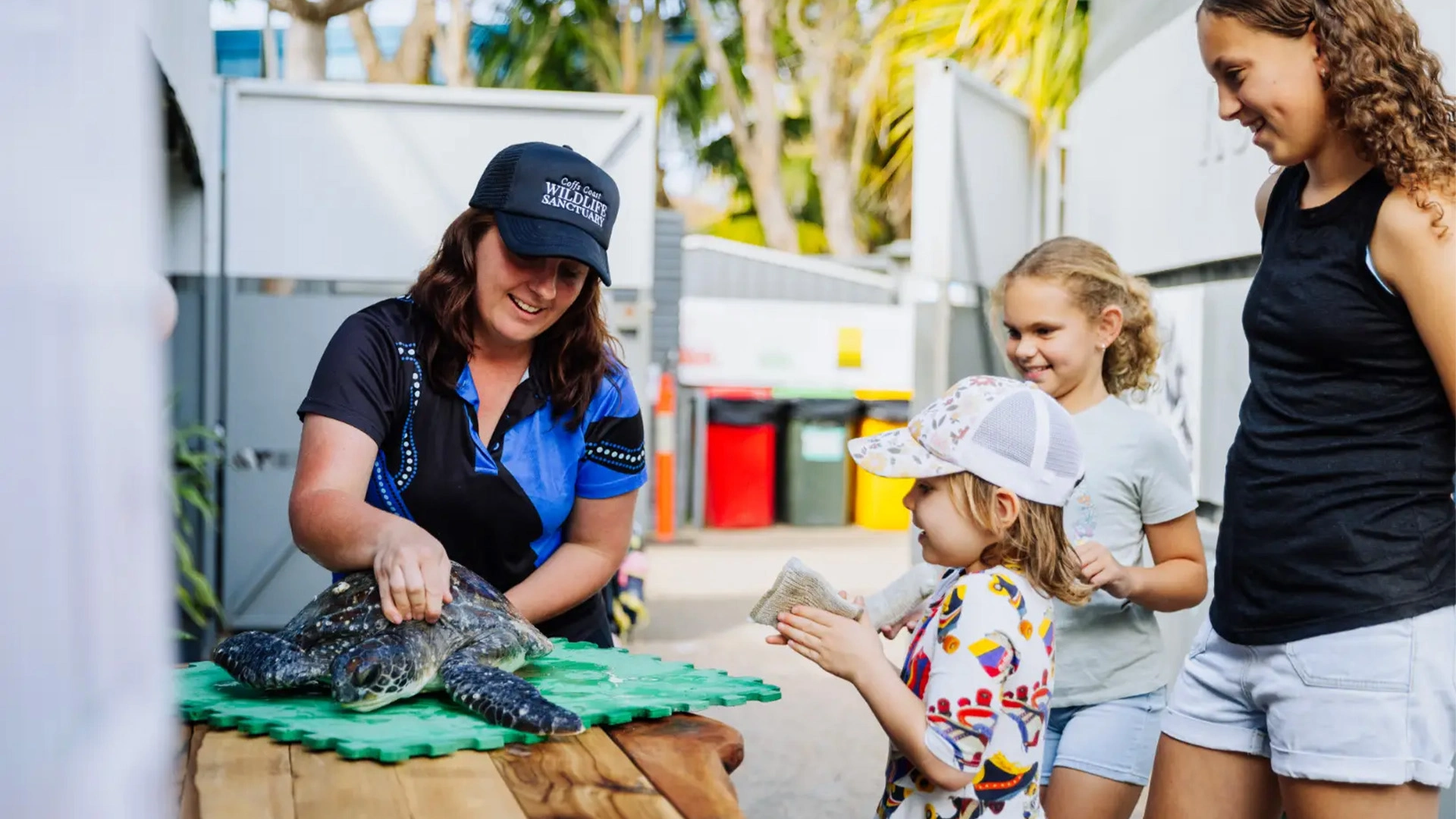
The Coffs Coast is home to an extraordinary range of native wildlife. But when an animal is injured, sick or orphaned, it needs somewhere local to go.
Injured, sick and orphaned land-based animals need somewhere they can be rescued, assessed, stabilised and rehabilitated. Right now the Sanctuary's capacity to provide that care is limited.
The Wildlife Emergency Unit Appeal will raise $250,000 to help establish and equip a dedicated Mobile Wildlife Emergency Unit, and strengthen our capacity to provide emergency rescue, triage and rehabilitation for land-based wildlife across the region.
Because the unit is mobile, it's designed to go where it's needed most in an emergency. It can be set up as a forward treatment point as close to a fire ground as is safe. There, burnt and smoke-affected wildlife can be assessed, given fluids and stabilised on site, rather than being driven for an hour while its condition worsens.
We'll always work to the directions of the RFS and NPWS and never enter an active fire ground. In practice, that means staging at an evacuation point or a safe access road, treating the animals brought to us and moving forward as areas are cleared. The same setup will support our response to storms, floods and oil spills.

For better emergency care for the wildlife on our doorstep.
With H5 bird flu confirmed at Corindi Beach, we're in the final stages of setting up the Mobile Wildlife Emergency Unit as a registered wildlife triage facility. An assessment gazebo alongside it will let seabirds be examined and tested before they come anywhere near the animals already in our care. That means we can keep caring for sick and injured shearwaters this season while protecting the rest of the sanctuary.
We are just so close to being able to actually open it as a registered wildlife triage facility. It's just needing those last few stages, and we just want to get it now rather than later - before it's too late.
The timing matters. Shearwaters are due back along the Coffs Coast next month, potentially bringing hundreds of birds needing help. Our concern is that birds which are simply exhausted or injured — not infected — will miss out on care because the virus is in the area.
Disinfection stations are in place and being expanded, and full PPE is now required for anyone handling a bird suspected of carrying the virus. We're working towards a separated marquee — green zones for clear animals, isolation zones for testing and treatment.
The Coffs Coast's first detection of H5 avian influenza was confirmed in a bird at Corindi Beach. Do not approach or handle sick or dead birds, or mammals such as foxes. Keep dogs on a lead at the beach and report anything you find to the Emergency Animal Disease Hotline.
Whether it's $10 or $10,000, your donation helps us rescue, treat and care for the animals that need us most.
Getting to the animal fast, wherever it is.
Assessment and stabilisation in the first critical minutes.
Oxygen, fluids, pain relief and treatment.
Weeks of quiet care with our volunteer carers.
Hand-raising the ones who arrive too young.
Back to the wild, whenever it's safe.
Every animal that comes through our gate is logged, treated and tracked to release.
Adoption packages, corporate sponsorship, wills and bequests, or volunteer hours. Your donation helps Coffs Coast Wildlife Sanctuary continue rescuing, rehabilitating, and protecting local wildlife.

The Coffs Coast Wildlife Sanctuary acknowledges the Gumbaynggirr people, traditional custodians of this land. We pay respect to the Elders, both past and present, of the Gumbaynggirr Nation and extend that respect to all Aboriginal and Torres Strait Islander peoples today.